Vinyl Plank vs Laminate vs Engineered Hardwood: Which Floor Is Right for You?
Vinyl plank vs laminate vs engineered hardwood: how each is made, water resistance in basements, scratches, refinishing, sound and installation for Toronto.
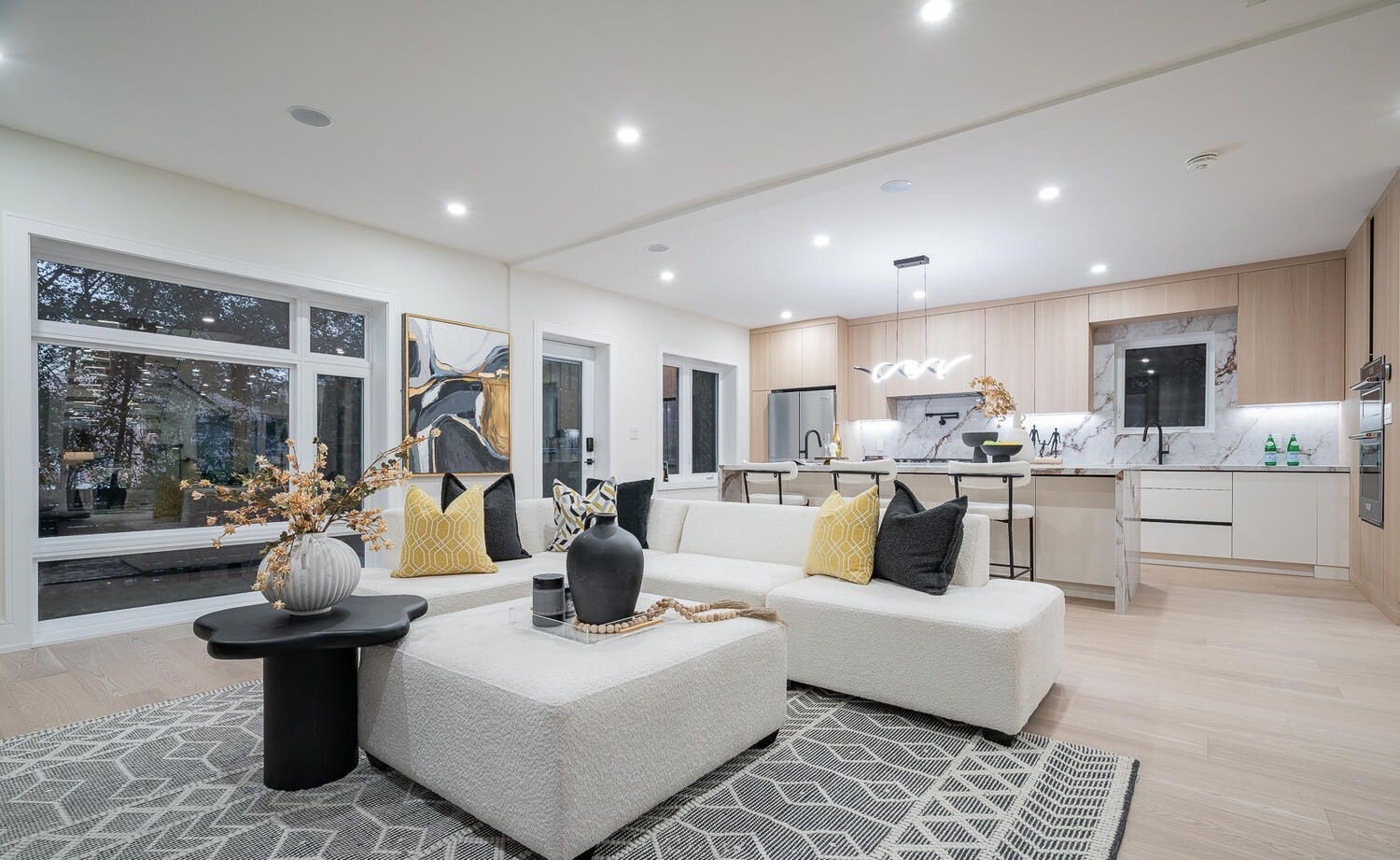
Vinyl plank, laminate and engineered hardwood can look almost the same in a showroom. Once they are in your home, they behave very differently. One shrugs off a spilled glass of water, one can be sanded and refinished years from now, and one can swell if water sits on it. Picking the wrong one for a room, especially a basement, is one of the most common flooring regrets. This guide explains how each floor is built, where it works best, and what the installation involves.
How each floor is built
- Vinyl plank (often called LVP, luxury vinyl plank): a plastic-based plank with a printed design layer under a clear wear layer. Rigid-core versions (SPC, stone-plastic composite, or WPC, wood-plastic composite) are stiffer and click together. Many come with an underlay already attached to the back.
- Laminate: a core of high-density fibreboard (HDF, compressed wood fibres) with a photo of wood on top, sealed under a hard, clear melamine wear layer. It looks like wood but contains no solid wood on the surface.
- Engineered hardwood: a top layer of real hardwood glued over a stable core of plywood or HDF. The layers are arranged so the board moves less with humidity than solid hardwood does. What you walk on is real wood.
Water resistance and basements
This is where the three differ most, and it matters a lot in Toronto, where many floors go down on a basement concrete slab.
- Vinyl plank: the planks themselves are not damaged by water, which makes vinyl the most forgiving choice for basements, kitchens, laundry rooms and bathrooms. Water can still run through the seams and sit underneath, so a leak still needs to be found and dried.
- Laminate: the wood-fibre core can swell if water gets into the joints or edges, and swollen boards usually don't go back to flat. Some newer laminates are sold as water-resistant, but read exactly what the warranty covers before using it below grade.
- Engineered hardwood: it handles basement humidity better than solid hardwood, and many manufacturers allow it below grade. It is still wood, so standing water and long periods of high humidity will damage it.
Scratches, dents and refinishing
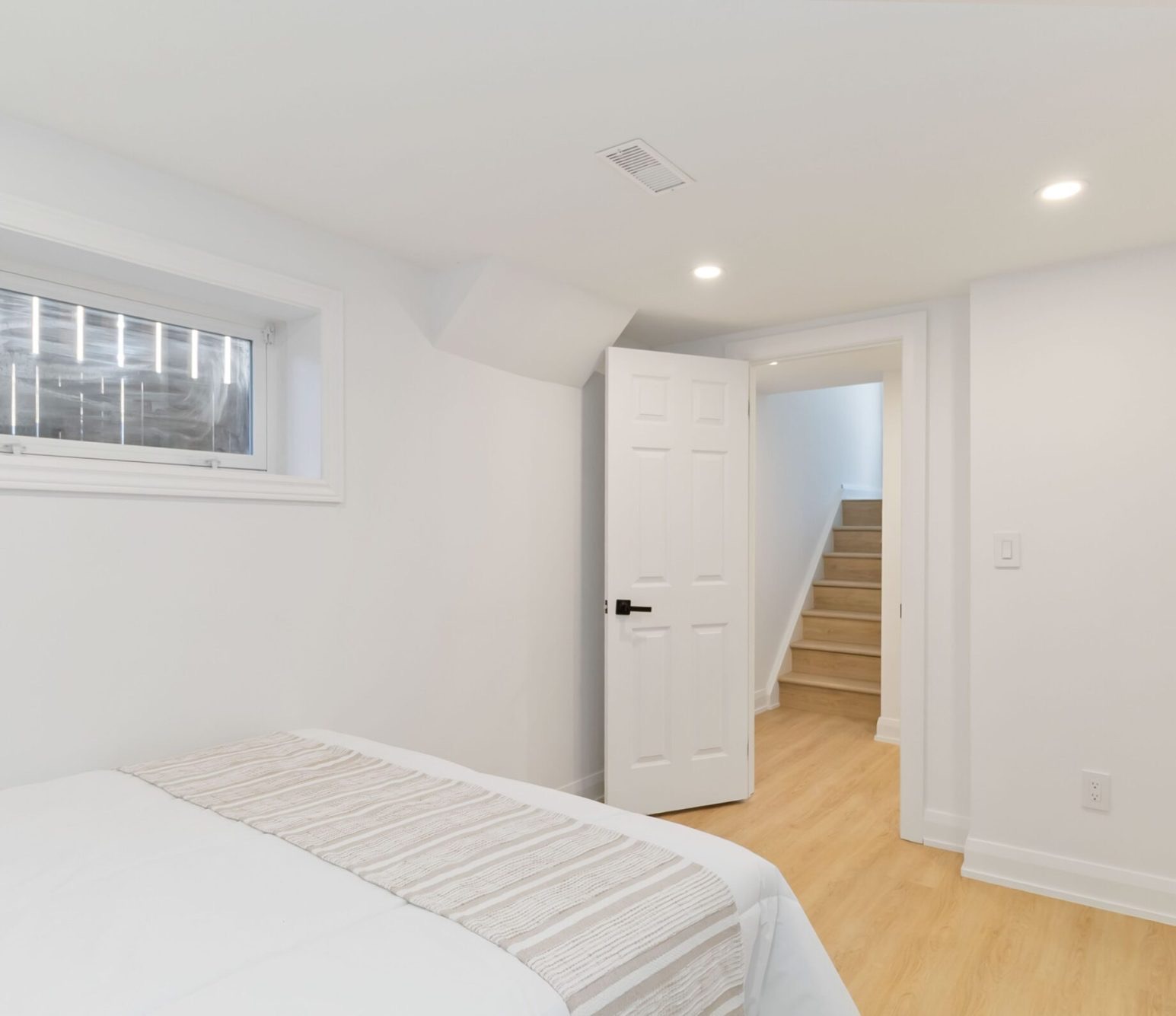
How a floor wears depends on its top layer. Laminate's melamine surface is hard and resists scratches from pets and chairs well. Vinyl's wear layer varies a lot between products: thicker wear layers last longer, and vinyl can dent under very heavy, narrow furniture legs. Engineered hardwood scratches and dents more easily than either, the same as any real wood floor.
The big difference is what happens years later. Vinyl and laminate cannot be sanded, so a damaged plank is replaced, not repaired. Engineered hardwood can often be lightly sanded and refinished, but how many times depends on the thickness of the real-wood top layer. A thick top layer may allow a full sanding, while a thin one may only allow a light screen and new coat of finish. If refinishing matters to you, ask for the wear-layer thickness before you buy.
Comfort and sound
- Vinyl plank feels softer and a little warmer underfoot than tile, and it is fairly quiet to walk on.
- Laminate is the hardest of the three and can sound hollow or clicky if the underlay is thin or the subfloor isn't flat.
- Engineered hardwood feels and sounds like real wood, especially when it is glued or nailed down instead of floating.
- Sound between floors: in condos and in houses with a basement apartment, a good acoustic underlay reduces footstep noise. Most condo boards have rules about flooring and underlay, so check yours before you choose a product.
Installation: floating, glue-down or nail-down
A floating floor clicks together and rests on top of the subfloor without being fastened to it. Vinyl plank and laminate are almost always floating. Engineered hardwood can be floated, glued down, or nailed or stapled to a wood subfloor. On concrete it is floated or glued, never nailed.
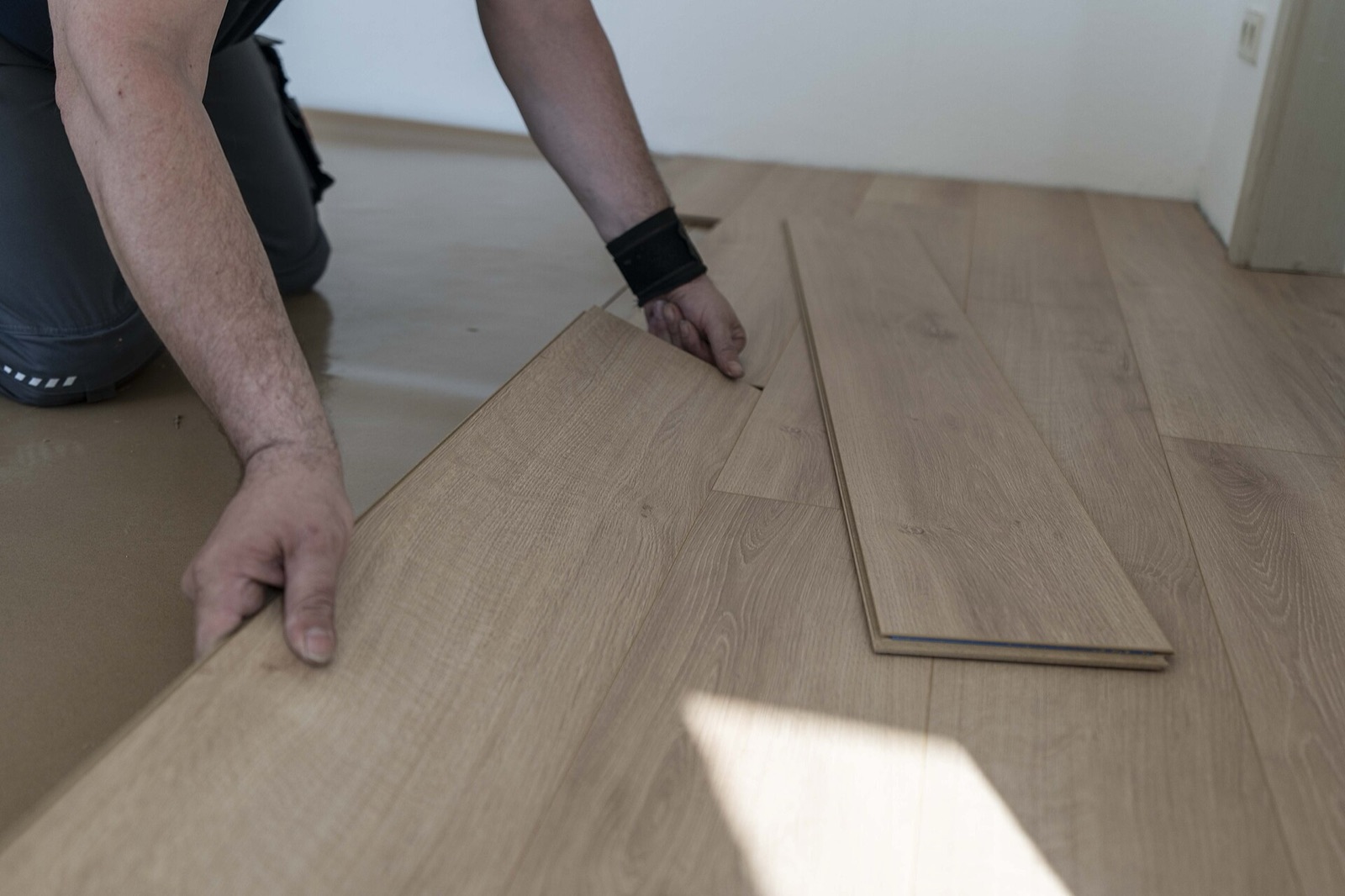
- Check the subfloor. Look for squeaks, loose panels, soft spots and moisture. On a basement slab, test for moisture before anything goes down.
- Flatten it. Every manufacturer sets a flatness limit. High spots are ground down and low spots are filled with levelling compound. Rigid planks bridge small dips, but a wavy subfloor leads to hollow spots and joints that come apart.
- Let the flooring acclimatize. Laminate and engineered hardwood usually need to sit in the room for a period set by the manufacturer so they adjust to the home's temperature and humidity.
- Lay the vapour barrier and underlay. Over concrete, floating floors usually need a plastic vapour barrier unless the underlay already includes one. Don't double up a separate underlay under vinyl that already has one attached unless the manufacturer allows it.
- Install with expansion gaps. Floating floors need a small gap at every wall and fixed object so they can expand and shrink with the seasons. Baseboards and trim hide the gap.
- Finish the transitions. Transition strips at doorways, stairs and changes in flooring protect the edges and allow the floor to move.
Which floor for which room?
- Basements on concrete: vinyl plank is usually the safest choice. Engineered hardwood can work in a dry, well-controlled basement if the manufacturer approves it below grade.
- Bathrooms, laundry rooms and mudrooms: vinyl plank (or tile). Laminate is generally a poor fit where water is splashed regularly.
- Kitchens: vinyl plank for the most water tolerance; engineered hardwood if you want real wood and wipe up spills quickly.
- Living rooms, dining rooms and bedrooms: any of the three. Engineered hardwood gives the most natural look and the option to refinish.
- Rental units: vinyl plank is popular because it is durable and individual planks can be replaced.
- Homes with radiant floor heating: check that the specific product is approved for it, as rules differ between products.
Many homes use more than one: engineered hardwood on the main floor and vinyl plank in the basement and bathrooms, in a similar colour so the house still feels connected. Whatever you choose, follow the manufacturer's installation instructions closely. Skipping a required step, like a vapour barrier on concrete, can void the warranty.
Frequently asked questions
Is vinyl plank or laminate better for a basement?
For most basements on concrete, vinyl plank is the better choice because the planks are not damaged by water. Laminate has a wood-fibre core that can swell if water gets into the joints. Either way, the basement should be dry first and the slab tested for moisture.
Can engineered hardwood be installed in a basement?
Often yes. Many engineered hardwood products are approved for below-grade use, floated or glued over a dry concrete slab with the right vapour barrier. Check the specific product's instructions, and avoid it in basements with any history of water.
Can you refinish engineered hardwood floors?
Usually, but it depends on the thickness of the real-wood top layer. A thicker top layer can be sanded and refinished, while a thin one may only allow a light buff and a new coat of finish. Vinyl plank and laminate cannot be refinished.
Planning a project like this?
Talk to our team for a free, no-pressure estimate anywhere in Toronto and the GTA.
See our Flooring Installation service.
This guide is general information, not professional or legal advice. Building code and city rules change and vary by property, so confirm requirements with your municipality before starting work.