Sump Pumps and Backwater Valves: Protecting Your Basement From Flooding
How sump pumps and backwater valves protect a Toronto basement from flooding: pump types, battery backup, testing, valve care and downspout disconnection.
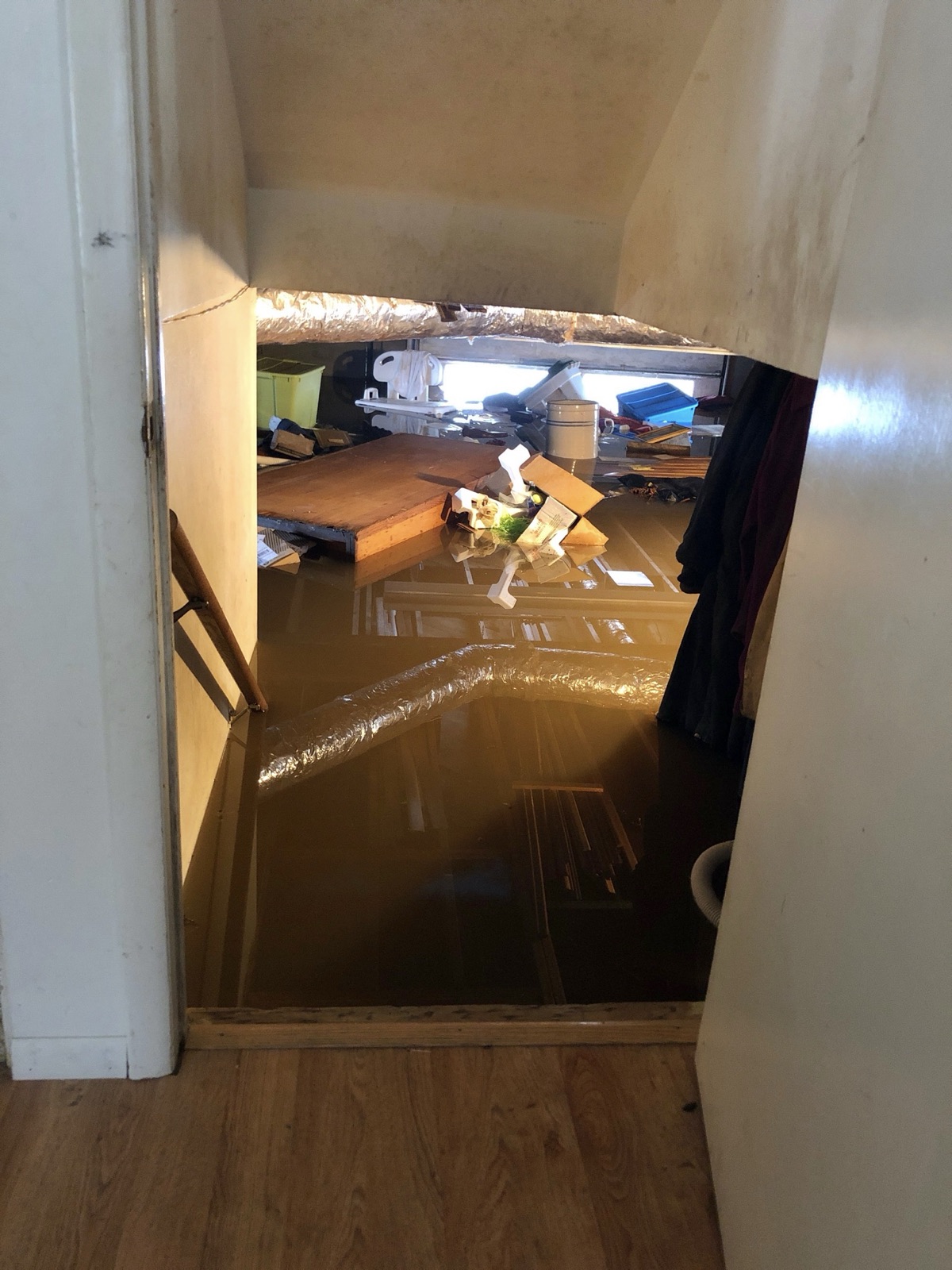
Basement flooding usually comes from one of two directions. Groundwater rises around the foundation and pushes in at the floor and walls, or the city sewer fills up during a storm and pushes water back up through your floor drain. A sump pump deals with the first problem. A backwater valve deals with the second. If you are finishing a basement or renting out a basement apartment, they protect everything you are about to build.
Two kinds of basement flooding
- Groundwater flooding: rain and melting snow soak into the soil and build up around the foundation. Water seeps in through cracks, the wall-floor joint, or up through the slab. A sump pump and good drainage outside handle this.
- Sewer backup: in a heavy storm, the sewer pipe under the street can fill faster than it drains. Water then flows backward up your main drain and comes out at the lowest opening in the house, usually the basement floor drain. A backwater valve handles this.
- Surface water: water that runs toward the house because of poor grading, overflowing eavestroughs or downspouts that dump at the wall. Fixing the outside, including downspout disconnection, reduces the load on everything else.
Many houses face more than one of these. Foundation walls, membranes and weeping tile are a big topic of their own, so this article focuses on the pump, the valve and the downspouts.
How a sump pump system works
A sump system has three parts: a pit, a pump and a discharge line.
- The pit (also called a sump basin or crock) is a liner set into a hole at a low point in the basement floor. Weeping tile around the foundation, inside or outside, drains into it.
- The pump sits in the pit. A float switch turns it on when the water reaches a set level and off when the pit is drained.
- The discharge line carries the water up and out of the house. A check valve on the line stops the water in the pipe from falling back into the pit each time the pump shuts off.
Where the water goes matters. It should come out far enough from the house that it does not soak right back into the soil next to the foundation, and it should not flood a neighbour's yard or a sidewalk. In Toronto, groundwater and storm water generally must not be sent into the sanitary sewer, so check the City of Toronto's sewer rules before you decide where the discharge pipe goes.
Choosing a sump pump
There are two common styles of pump for houses:
- Submersible pumps sit fully underwater in the pit. They are quieter, the pit can be covered with a sealed lid, and they are the usual choice in a finished basement.
- Pedestal pumps have the motor on a post above the pit, with only the intake in the water. The motor stays dry and is easy to reach, but they are louder and take up more room.
Whatever you choose, the pump must be sized for how much water your pit actually collects and how high it has to lift it. A plumber or contractor should size it, not the box at the store.
Backup options include a battery-powered pump that takes over when the main pump fails or the power goes out, a second electric pump set slightly higher in the pit, and a high-water alarm that sounds if the water rises past the normal level.
Testing and maintaining your sump pump
Sump pumps fail quietly. Check yours a few times a year, and always before the spring melt and heavy rain season.
- Pour in water. Slowly pour a bucket of water into the pit. The float should rise, the pump should start on its own, empty the pit and shut off.
- Listen and look. Grinding, rattling or a pump that runs but moves no water are warning signs. Make sure the float moves freely.
- Clean the pit. With the pump unplugged, remove gravel, silt and debris from the pit and the pump intake screen.
- Check the discharge. Go outside while the pump runs. Water should come out freely, well away from the foundation. In winter, make sure the line is not frozen or buried in snow.
- Test the backup. Unplug the main pump and confirm the backup pump and alarm work. Check the battery's age and condition against the manufacturer's instructions and replace it when it is due.
How a backwater valve works
A backwater valve is installed on the main drain pipe where it leaves the house, usually under the basement floor with an access cover so it can be reached. Inside is a flap. Water from your sinks, toilets and floor drain pushes the flap open and flows out to the city sewer. If the sewer backs up and water starts flowing the wrong way, the flap closes and blocks it from entering your basement.
There are two main types. A normally open valve keeps the flap open most of the time and only closes when water flows backward, so your plumbing drains and vents freely day to day. A normally closed valve keeps the flap shut and only opens when water flows out. For the main drain of a house, a normally open valve is the type commonly recommended. Your plumber can confirm which type suits your drain and what the permit requires.
One important habit: when the valve is closed during a storm, water from inside the house has nowhere to go either. Avoid running the washing machine, dishwasher, showers or flushing toilets during a sewer backup, or your own drain water can come up through the lowest fixture in the basement.
Backwater valve maintenance
- Open the access cover at least once a year and check that the flap moves freely and closes fully.
- Remove any debris, grease or paper caught in the valve. A small object stuck under the flap can stop it from sealing.
- Check the cover and seals so sewer gas and water cannot escape into the basement.
- Keep the access cover reachable. Do not tile or build over it when you finish the basement.
Installing a backwater valve means cutting into the basement floor and working on the main drain, so in Toronto it needs a plumbing permit and inspection. It is far easier to do this before a basement is finished than after.
Downspout disconnection and the City of Toronto subsidy
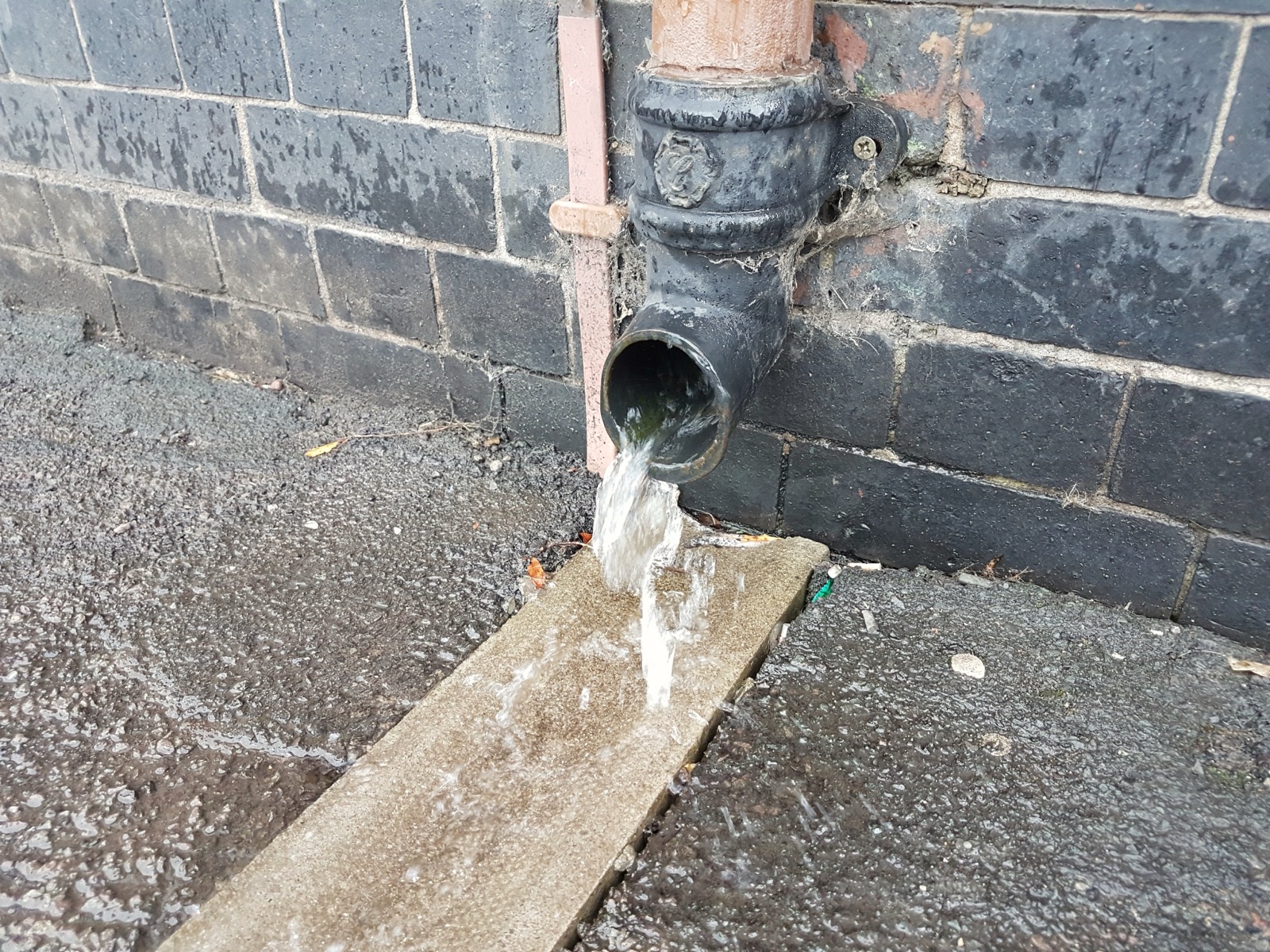
In many older Toronto homes, the downspouts run straight into a pipe in the ground that connects to the sewer. In a big storm, all that roof water goes into the same sewers that can back up into basements. The City of Toronto requires downspouts to be disconnected from the sewer system where it can be done safely, with exemptions in some situations. A disconnected downspout is cut above the ground, fitted with an elbow and an extension, and directed onto the lawn or garden, away from the house and away from neighbouring properties. The old pipe in the ground is capped.
The City of Toronto runs a Basement Flooding Protection Subsidy Program that has helped homeowners with the cost of installing a backwater valve, a sump pump, and severing and capping the storm sewer connection. The amounts, eligible work and paperwork are set by the City and can change, and programs like this usually require a permit and specific documents. Check the current program details on the City of Toronto website before any work starts.
Frequently asked questions
Do I need both a sump pump and a backwater valve?
They solve different problems. A sump pump removes groundwater collected by your weeping tile, and a backwater valve stops sewer water from backing up through your drains. Many Toronto homes benefit from both, but a plumber or contractor should look at your drainage before you decide.
How often should I test my sump pump?
Test it a few times a year by pouring water into the pit, and always before the spring thaw and heavy rain season. Check the backup pump, alarm and battery at the same time.
Do I need a permit to install a backwater valve in Toronto?
Yes. A backwater valve is installed on your main drain, which requires a plumbing permit and inspection from the City of Toronto. The City's flooding subsidy program also has its own requirements, so check them before work starts.
Planning a project like this?
Talk to our team for a free, no-pressure estimate anywhere in Toronto and the GTA.
See our Basement Finishing service.
This guide is general information, not professional or legal advice. Building code and city rules change and vary by property, so confirm requirements with your municipality before starting work.