Interconnected Smoke and Carbon Monoxide Alarms: What Ontario Requires
Ontario smoke and carbon monoxide alarm rules for homes and basement apartments: where alarms go, interconnection, hard-wired vs battery and landlord duties.
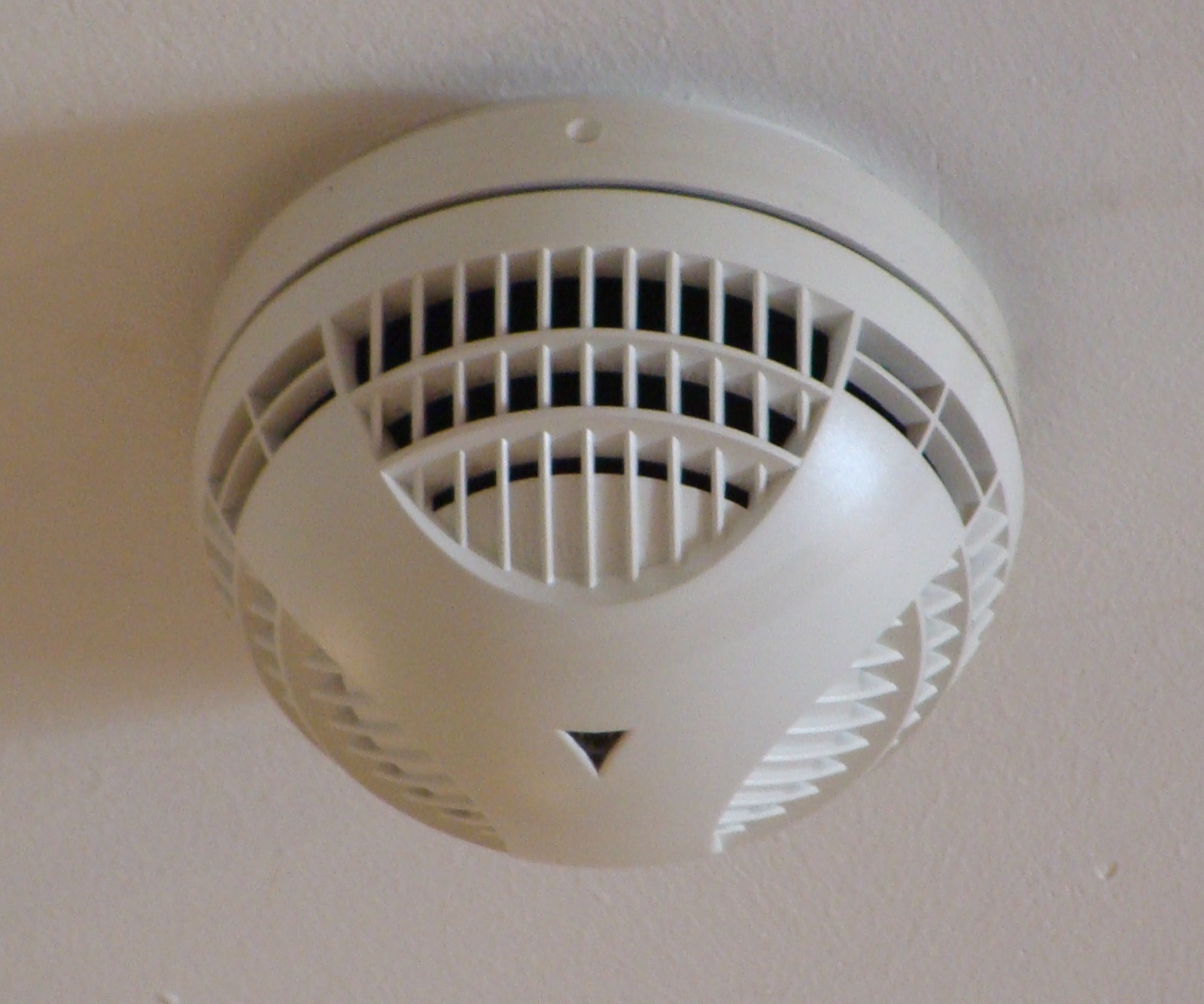
Smoke and carbon monoxide (CO) alarms are the cheapest life-safety equipment in your home, and in Ontario they are the law. Fire spreads fast and CO has no smell, so an alarm that works and wakes people up is often the difference between a scare and a tragedy. If you rent out a basement apartment, the rules go further: the alarms in both units usually need to talk to each other. Here is what Ontario requires, what changes when you have a second unit, and how to keep your alarms working.
The short version
- Every home in Ontario needs a working smoke alarm on every storey and outside all sleeping areas (Ontario Fire Code).
- Homes with a fuel-burning appliance, a fireplace or an attached garage need a CO alarm next to each sleeping area (Ontario Fire Code).
- In a house with a basement apartment, smoke alarms in the two units are generally required to be interconnected, so an alarm in one unit sounds in the other.
- Landlords are responsible for installing and maintaining the alarms in rental units. Tenants must not disable them.
- Alarms wear out. Check the date on each one and replace it when the manufacturer says to.
Smoke alarms: where Ontario requires them
The Ontario Fire Code applies to existing homes. It requires a working smoke alarm on every storey of a home, including the basement, and outside all sleeping areas. "Outside sleeping areas" usually means the hallway or space just outside the bedrooms, so the alarm is close enough to wake people who are asleep.
New construction and renovations done under a building permit follow the Ontario Building Code (section 9.10.19), which asks for more. Alarms in new work are normally hard-wired, interconnected within the unit, and placed in more locations, including bedrooms. When you finish or legalize a basement, your permit drawings will show exactly where each alarm goes, and the inspector will check them.
Carbon monoxide alarms: who needs them
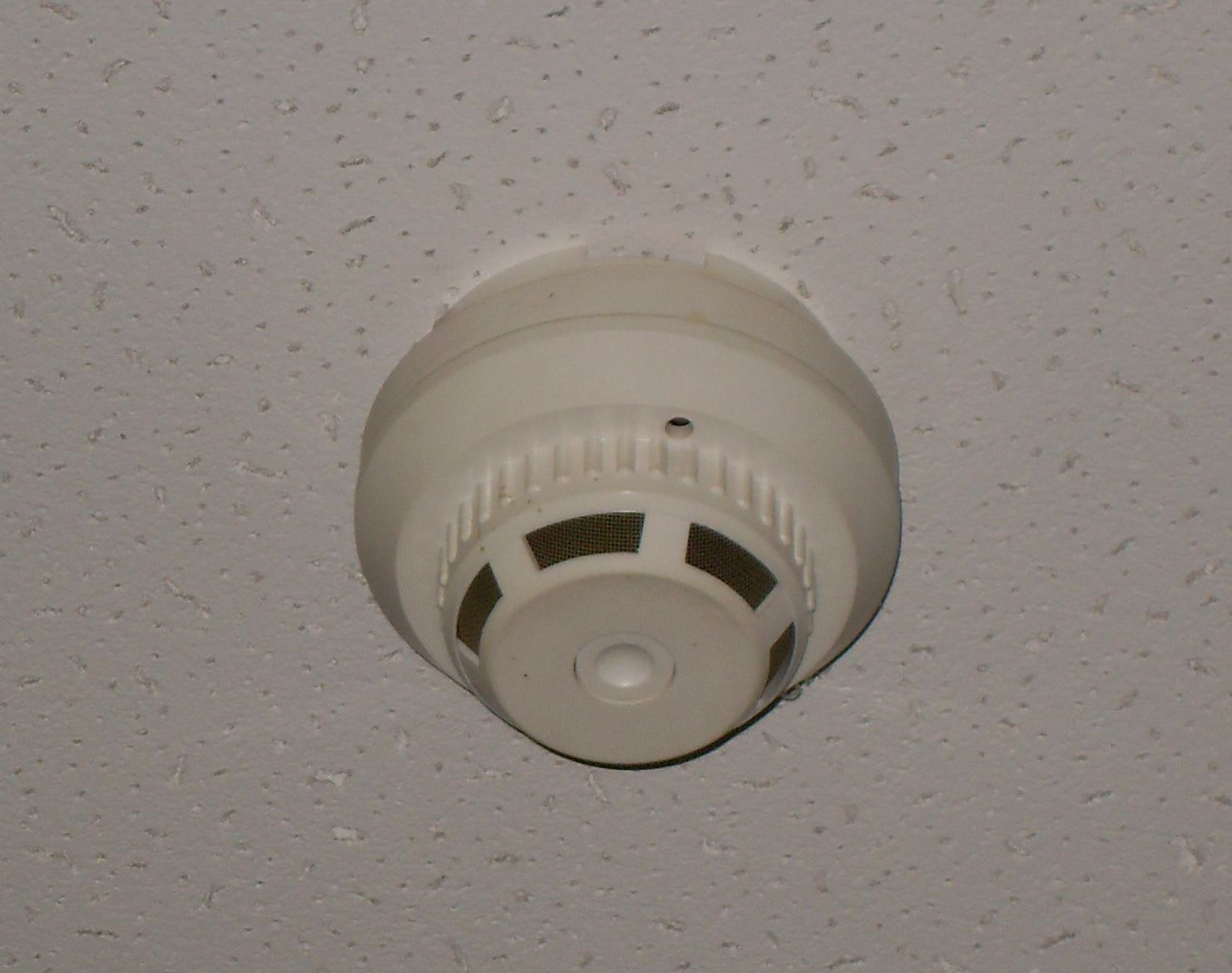
Carbon monoxide is a gas you can't see or smell. It is produced when fuel such as natural gas, oil, propane or wood burns. Since 2014, the Ontario Fire Code has required CO alarms in homes that have any of the following:
- A fuel-burning appliance, such as a gas furnace, gas water heater, gas stove or gas dryer.
- A fireplace, including a wood-burning or gas fireplace.
- An attached garage, because car exhaust can seep into the house.
In these homes, a CO alarm must be installed next to each sleeping area. In a house with more than one unit, there can also be requirements for the room where the furnace or water heater is, and for units that share a wall or ceiling with that room. If you are not sure what applies to your house, check with Toronto Fire Services or the Office of the Fire Marshal.
Houses with a basement apartment: interconnection
In a single-family home, one alarm going off is usually heard by everyone. In a house split into two units, a fire in the basement apartment might not be heard upstairs until it is too late, and the other way around. That is why the rules for two-unit houses focus on interconnection.
Interconnected means the alarms are linked, by wiring or by a listed wireless system, so that when one alarm detects smoke, every connected alarm sounds. For existing houses with two units, the Ontario Fire Code (Part 9, Section 9.8) sets out the retrofit requirements, and interconnected smoke alarms between the units are a standard part of them. For a new legal secondary suite built under a permit, the Ontario Building Code applies, and interconnected, hard-wired alarms are shown on the drawings.
Hard-wired or battery?
Battery-only alarms are simple to install, and the Fire Code accepts them in many existing homes. Their weakness is the battery: people remove it to stop nuisance alarms, or it dies and nobody notices.
Hard-wired alarms connect to the home's electrical system and usually have a battery backup for power outages. They can be interconnected by wire, and they are what the Building Code expects in new work. Combination smoke and CO alarms are also available and can reduce the number of devices on the ceiling, as long as they are installed in locations that suit both purposes.
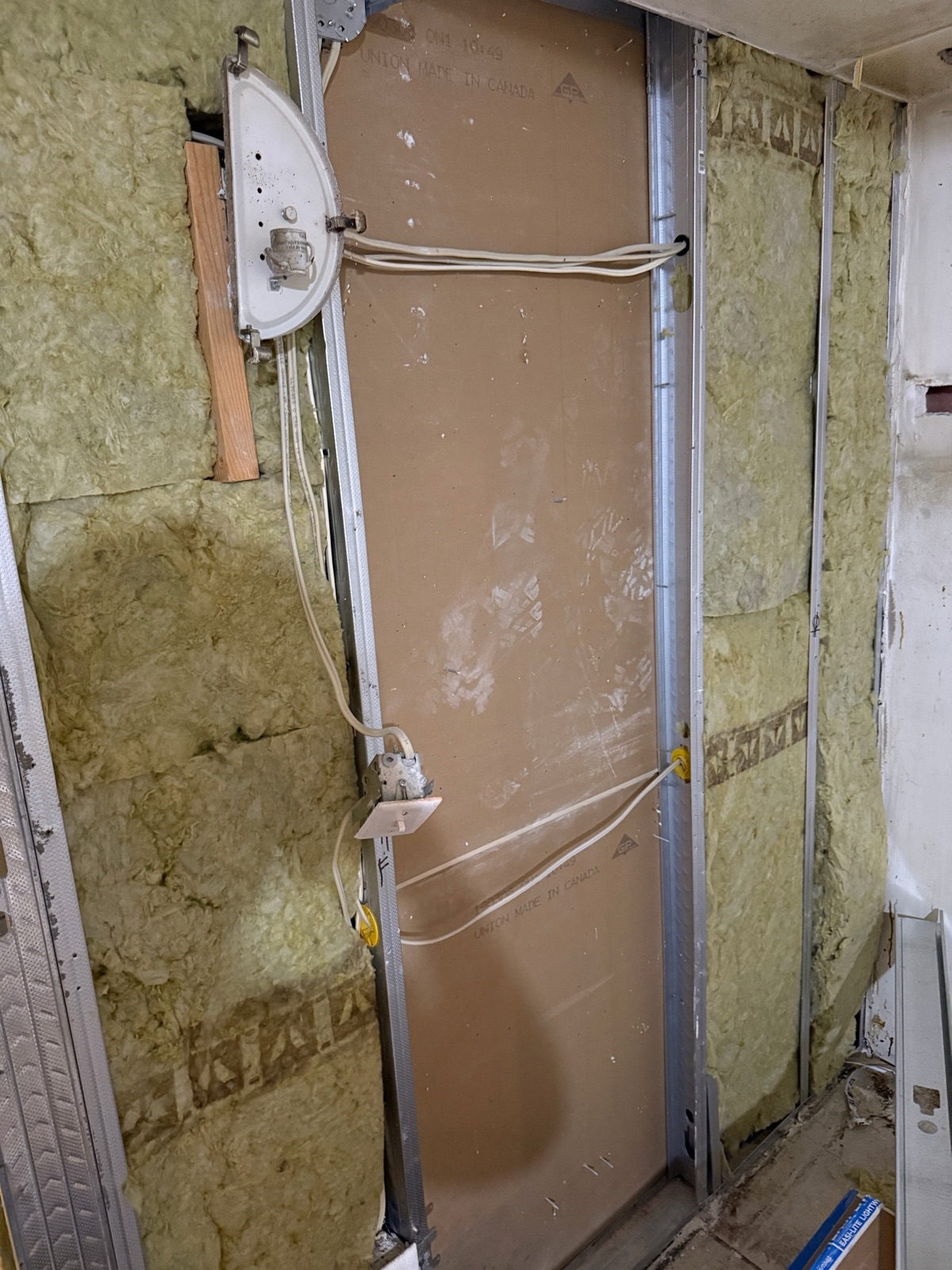
If you are opening walls and ceilings for a basement renovation, that is the best time to run wiring for hard-wired, interconnected alarms. New wiring in Ontario needs an Electrical Safety Authority (ESA) permit and inspection.
Testing and replacing your alarms
- Test monthly. Press the test button on each alarm. You should hear a loud signal. In a two-unit house, confirm it sounds in both units.
- Change batteries. Replace batteries as the manufacturer recommends, and right away when an alarm chirps. Sealed long-life units are replaced as a whole.
- Keep them clean. Dust and cobwebs can affect sensors. Gently vacuum the outside of the alarm following the manufacturer's instructions.
- Check the date. Every alarm has a manufacture or replace-by date on the back. Smoke alarms are commonly designed to be replaced after about 10 years. CO alarm lifespans vary by model, so follow the date on the unit.
- Replace, don't repair. If an alarm is past its date, damaged, or fails a test with a fresh battery, replace it with a certified alarm suitable for the location.
What landlords are responsible for
If you rent out a basement apartment or any unit, the Ontario Fire Code puts the responsibility on you as the landlord. You must install the required smoke and CO alarms and keep them in working order. The Fire Code also sets out when landlords must test alarms, such as on a regular schedule and after a battery or wiring change, so check the current requirements with your local fire department.
Tenants also have a duty: it is against the Fire Code for anyone to disable a smoke or CO alarm, including by removing the battery. Tenants should tell the landlord right away if an alarm is not working. Keep simple records of when you tested and replaced alarms. They help you stay on schedule, and they show you took your responsibilities seriously.
When we legalize a basement apartment, alarms are part of the plan from the start, together with fire separation and egress windows, so the suite passes inspection and both households are protected.
Frequently asked questions
Do smoke alarms need to be interconnected in Ontario?
In a house with two units, such as a home with a basement apartment, the smoke alarms in the units are generally required to be interconnected so an alarm in one unit sounds in the other. New work under a building permit also calls for interconnected alarms. Check your situation with Toronto Fire Services.
Where do carbon monoxide alarms need to go in Ontario?
If a home has a fuel-burning appliance, a fireplace or an attached garage, the Ontario Fire Code requires a CO alarm next to each sleeping area. Houses with more than one unit may need additional alarms, for example near the furnace room.
How often should smoke alarms be replaced?
Smoke alarms are commonly designed to last about 10 years, and CO alarm lifespans vary by model. Check the date printed on the back of each alarm and follow the manufacturer's replacement date.
Planning a project like this?
Talk to our team for a free, no-pressure estimate anywhere in Toronto and the GTA.
See our Basement Finishing service.
This guide is general information, not professional or legal advice. Building code and city rules change and vary by property, so confirm requirements with your municipality before starting work.