Quartz vs Granite Countertops: Which Is Right for Your Kitchen?
Quartz vs granite countertops compared: sealing and care, heat, stains and scratches, looks, seams, outdoor use, and how slabs are templated and installed.
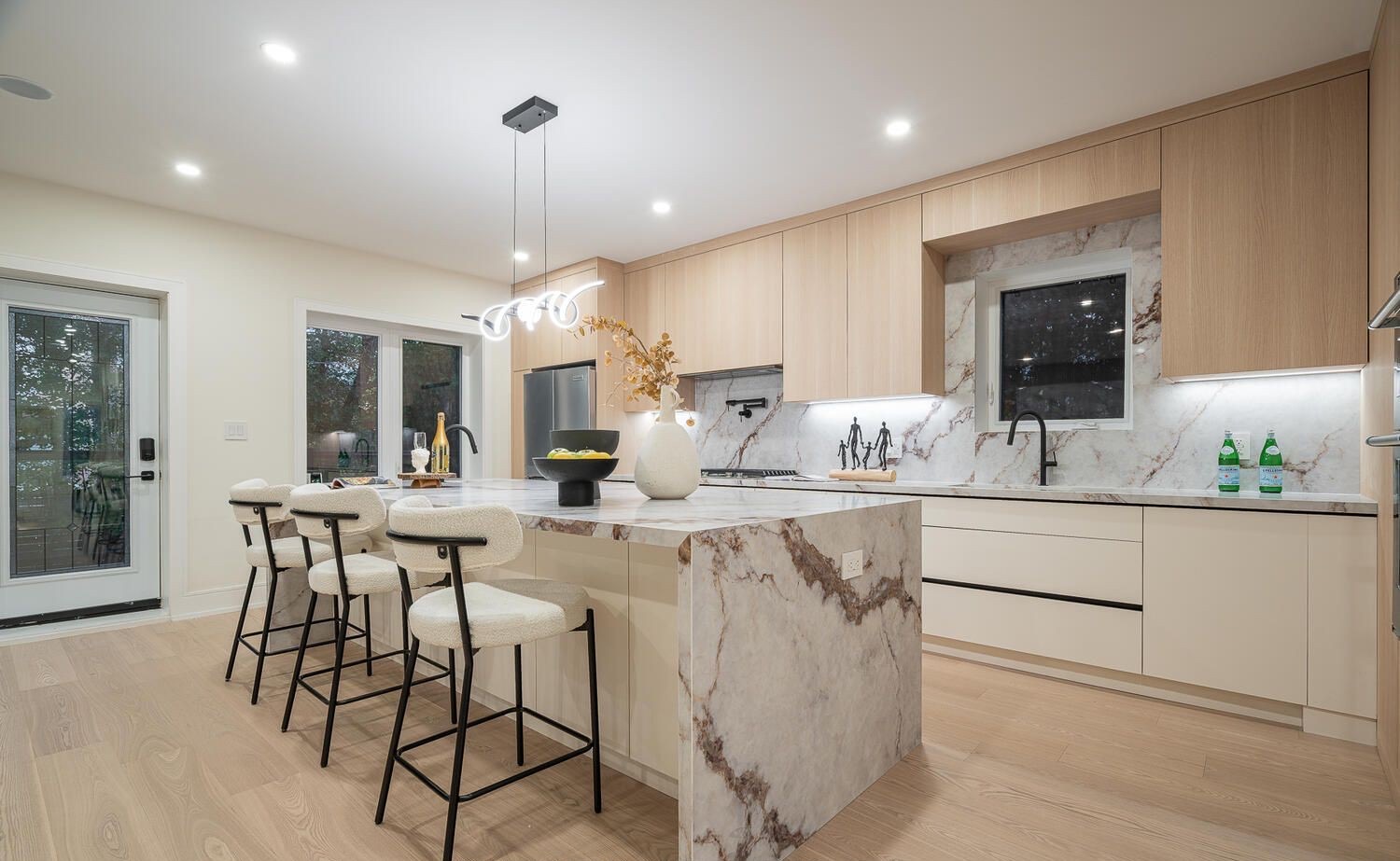
Quartz and granite are the two countertops most Toronto homeowners ask about when they plan a kitchen. Both are hard, heavy and long-lasting, and both look great when they are installed well. But they are very different materials. Granite is natural stone cut from the earth. Quartz is engineered in a factory. That difference affects how they look, how you care for them and where they can go. This guide compares them side by side so you can pick the one that suits the way you live.
What each material actually is
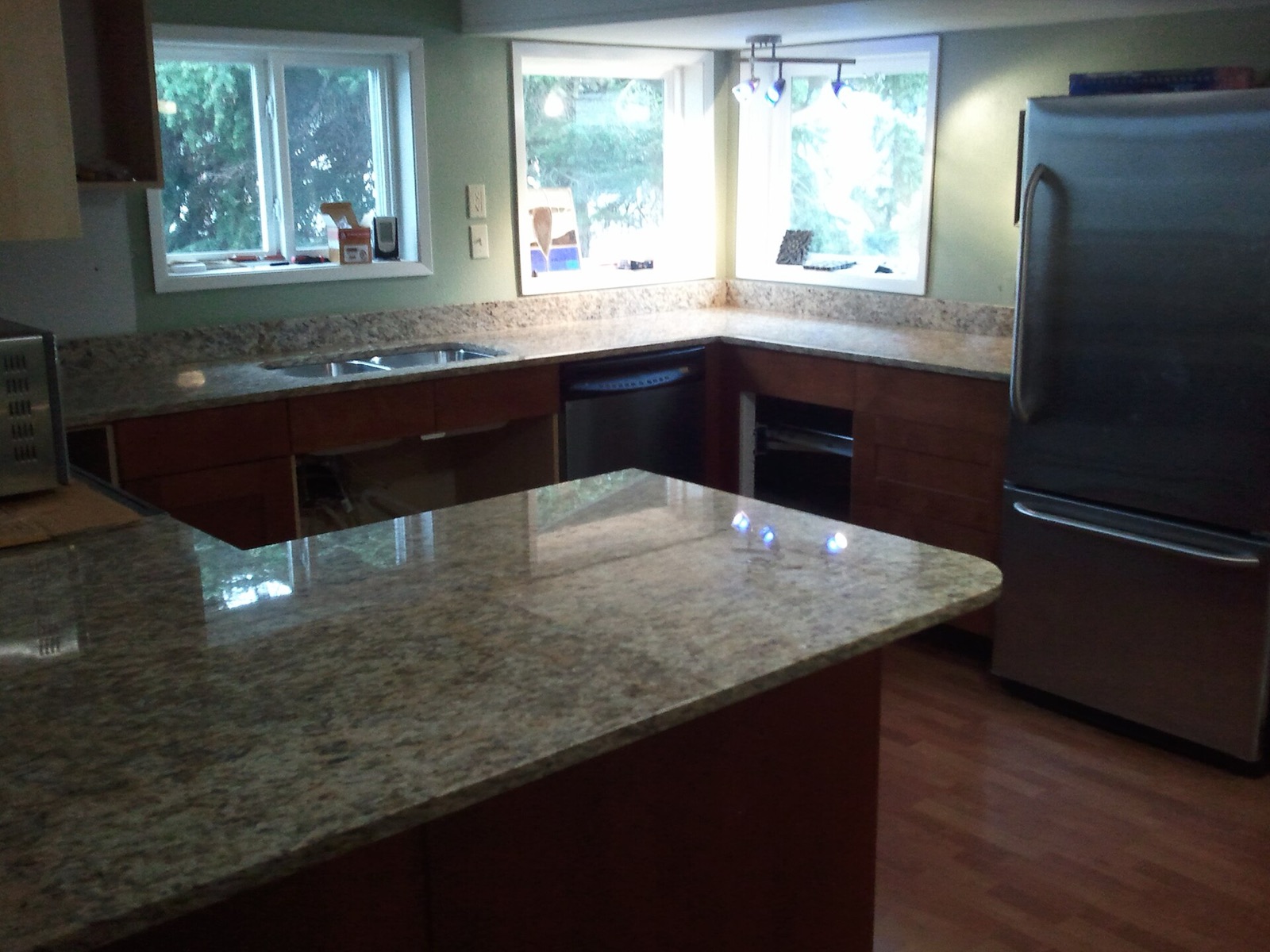
Granite is an igneous rock, formed from cooled magma, that is quarried in large blocks, sliced into slabs and polished. No two slabs are the same. The colour, speckles and movement come from the minerals in the stone, and some stones sold as granite in showrooms are actually related natural stones with a similar look.
Quartz countertops, also called engineered stone, are made mostly from crushed natural quartz mixed with resin binders and pigments, then pressed into slabs and cured. Because it is manufactured, the colour and pattern are controlled. It can be a plain solid colour, a fine speckle, or a design made to look like marble with long veins.
Care and maintenance: sealing granite
This is the biggest everyday difference between the two.
- Granite is porous to some degree. Most granite countertops are sealed after installation and resealed from time to time so liquids like oil, wine and coffee do not soak in. How often depends on the stone: dense, dark granites may need it rarely, while lighter, more open stones need it more often. A simple test is to put a few drops of water on the surface. If it darkens the stone within a few minutes, it is time to reseal.
- Quartz does not need sealing. The resin makes the surface non-porous, so spills sit on top and wipe off.
- For both, daily cleaning is warm water and mild dish soap with a soft cloth. Avoid abrasive pads, and check the manufacturer's care guide before using strong chemicals. Some harsh cleaners can dull a granite sealer or damage the resin in quartz.
Heat, stains and scratches
Neither material is indestructible, and the weak spots are different.
- Heat: granite handles heat better than quartz because it is all stone. Quartz contains resin, and a hot pot or baking sheet set straight on it can scorch or discolour the surface, sometimes permanently. A sudden, concentrated temperature change can also crack either material, especially near a sink or cooktop cutout. The safe habit for both is the same: always use a trivet or hot pad.
- Stains: quartz is the easier choice. Its non-porous surface resists staining without any sealing. Sealed granite resists stains well, but if the sealer wears thin, oils and dark liquids can leave marks.
- Scratches: both are very hard and stand up well to normal kitchen use. Neither is scratch-proof, so cut on a board. Cutting directly on stone also dulls your knives.
- Chips: edges and corners can chip on either material if hit with a heavy pot or cast iron pan. Small chips can usually be filled by a stone fabricator.
Look, patterns and consistency
This is often what decides it. Granite gives you a one-of-a-kind natural look with depth and movement you cannot fully copy. The trade-off is variation: two slabs of the same named granite can look quite different, and a single slab can change from one end to the other.
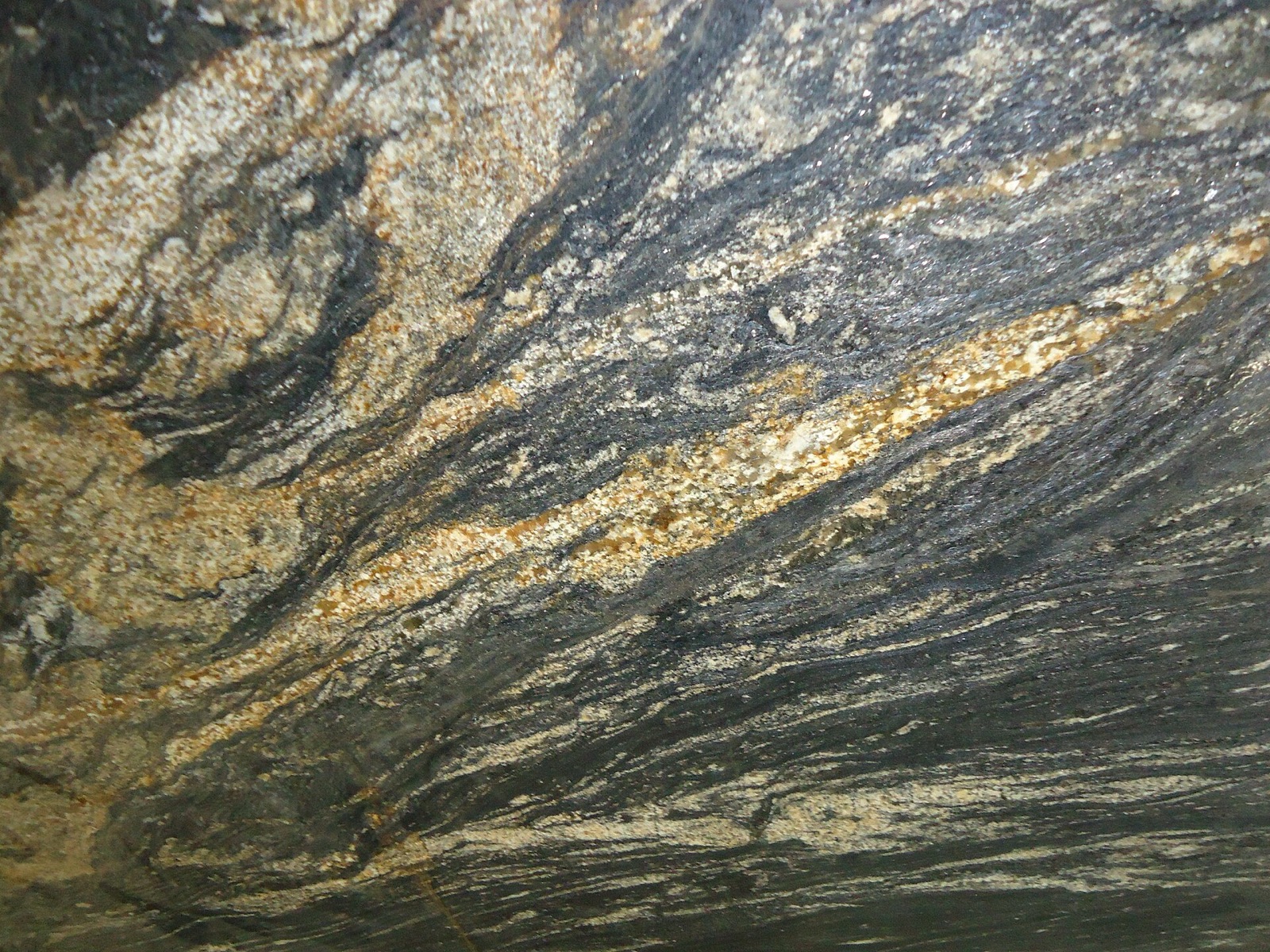
Quartz is predictable. The sample you choose in the showroom looks very close to what arrives, which makes it easier to match cabinets, flooring and backsplash. Solid whites and soft greys are popular because they are hard to find in natural stone. Marble-look quartz is also common, though veining on engineered stone can look more repetitive than real stone, so look at a full slab or large photo if you can.
Seams, slab size and outdoor use
Countertops are cut from slabs of limited size, so long runs, L-shapes and large islands often need a seam where two pieces meet. A good fabricator places seams where they are least visible and away from weak spots like the narrow strip in front of a sink. On solid-colour or fine-pattern quartz, seams can be quite discreet. On granite and bold veined quartz, the pattern has to be matched across the seam, which takes planning at the layout stage. Ask to see where the seams will go before cutting starts.
For outdoor kitchens and spots in strong direct sunlight, granite is usually the better pick. Most quartz manufacturers recommend indoor use only, because ultraviolet (UV) light can yellow or fade the resin over time. Granite also copes better with Toronto freeze-thaw cycles outdoors, as long as it is properly supported and sealed.
Choosing slabs, templating and installation
Whichever you pick, the process is similar. Countertops are custom-made for your cabinets, so they come near the end of a kitchen renovation.
- Choose your material. For quartz, pick a colour from samples or a full slab. For granite, visit the stone yard and choose the actual slabs that will go in your kitchen. Some yards let you mark where you want the best part of the pattern.
- Install and level the base cabinets. The cabinets must be fully installed, level and secured before anyone measures. Stone is heavy and does not bend to fit uneven boxes.
- Template. The fabricator measures the cabinet tops exactly, usually with a digital or physical template, and marks the sink, faucet holes, cooktop and overhangs. Have your sink and faucet chosen, and often on site, by this point.
- Fabrication. The slabs are cut, the edges are profiled and polished, and cutouts are made in the shop. This usually takes some time after templating, so plan around it.
- Install. The installers set the pieces, join and colour-match the seams, attach an undermount sink and seal granite if needed.
- Reconnect. A plumber reconnects the sink and faucet, and the backsplash is installed after the countertop is in place.
A note on safety: cutting and grinding engineered quartz releases fine crystalline silica dust, which is a serious health hazard for the workers who fabricate it. Responsible fabricators cut in the shop with water and dust controls. Avoid any plan that involves dry-cutting quartz inside your home.
Quick comparison: which one fits you?
- Choose quartz if you want low maintenance with no sealing, a consistent colour, a clean white or solid look, or a kitchen that gets heavy daily use from kids or tenants.
- Choose granite if you love natural stone and one-of-a-kind patterns, cook with a lot of heat, or need a countertop for an outdoor kitchen or sunny spot.
- Either way, ask about the slab, the number and location of seams, the edge profile and the cutouts, and have the fabricator template only after the cabinets are final.
Frequently asked questions
Is quartz or granite better for a kitchen countertop?
Neither is better for everyone. Quartz needs no sealing, resists stains and has a consistent look. Granite is fully natural, handles heat better and suits outdoor kitchens, but it needs periodic sealing. Choose based on how you cook and the look you want.
Do granite countertops need to be sealed?
Most do. Granite is porous to some degree, so it is usually sealed after installation and resealed from time to time. If a few drops of water darken the stone within a few minutes, it is time to reseal. Quartz does not need sealing.
Can you put hot pans on quartz countertops?
You should not. Quartz contains resin that can scorch or discolour from direct heat. Use a trivet or hot pad. The same habit is wise on granite, since sudden heat can also damage sealers and, in rare cases, crack stone.
Planning a project like this?
Talk to our team for a free, no-pressure estimate anywhere in Toronto and the GTA.
See our Kitchen Renovation service.
This guide is general information, not professional or legal advice. Building code and city rules change and vary by property, so confirm requirements with your municipality before starting work.