Popcorn Ceiling Removal: Asbestos Testing, Scraping and Skim Coating
Popcorn ceiling removal done safely: when to test for asbestos, how wet scraping and skim coating work, painted ceilings, and covering with new drywall instead.
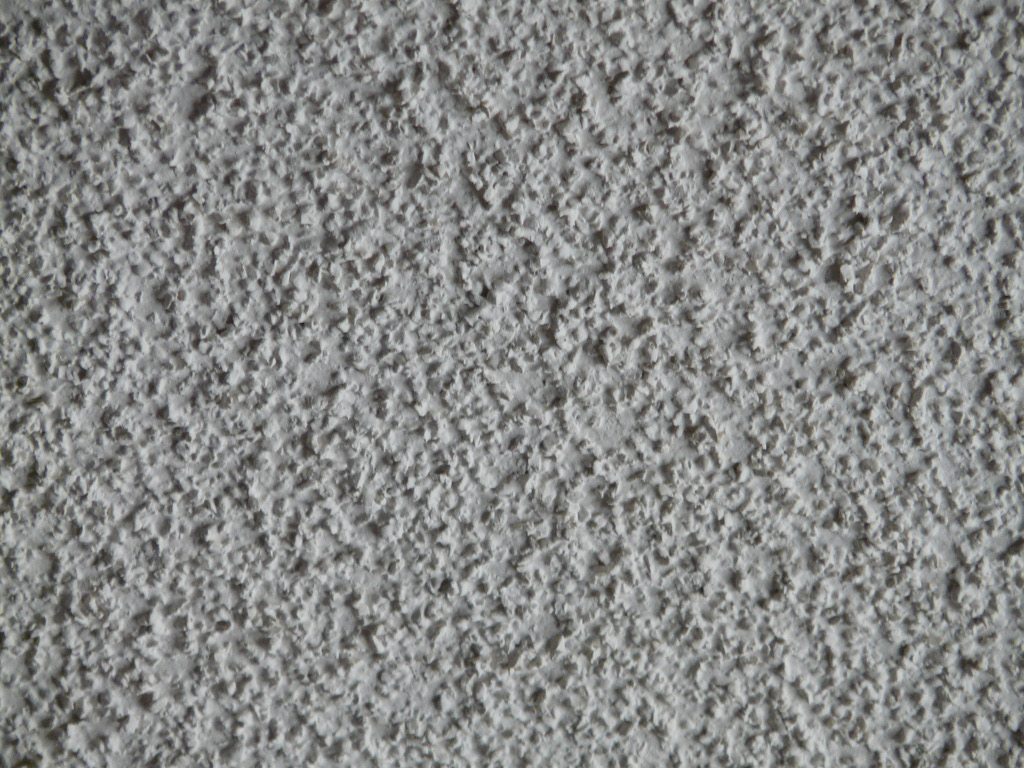
Popcorn ceilings, also called stipple or textured ceilings, were a popular finish for decades. They hide flaws and were quick to spray on, but today they look dated, collect dust and cobwebs, and are hard to patch or repaint. Removing them can make a room feel brighter and more modern. Before you grab a scraper, though, there is one question you have to answer first: does the texture contain asbestos? This guide walks through testing, the removal process, and the alternatives if scraping is not the right choice.
Why asbestos testing comes first
Some textured ceiling products made before the 1980s contained asbestos, a mineral fibre that can cause serious lung disease when it is breathed in. When the texture is left alone and in good shape, the fibres stay locked in. Scraping, sanding or drilling into it can release them into the air, where they spread through the house and can be breathed in by everyone living there.
You can't tell if a ceiling contains asbestos by looking at it. The only way to know is to have a sample tested by an accredited laboratory. If your home was built or renovated before the 1980s, or you don't know when the ceiling was done, assume it could contain asbestos until a test says otherwise.
How testing works
- Sampling: a small piece of the texture is taken from the ceiling. Many homeowners hire an environmental or asbestos consultant to take samples, which keeps disturbance to a minimum and makes sure the samples are representative.
- More than one sample: textures can differ from room to room, or where a ceiling was patched later, so different areas may need separate samples.
- Accredited lab: send samples to a laboratory accredited for asbestos analysis. The report states whether asbestos was found and roughly how much.
- Keep the report: your contractor will want to see it, and it is useful information when you sell the house.
In Ontario, asbestos work on construction projects is governed by Ontario Regulation 278/05 (Designated Substance: Asbestos on Construction Projects and in Buildings and Repair Operations) under the Occupational Health and Safety Act. It sets the rules contractors must follow when they disturb asbestos. If your test comes back positive, ask any contractor how they will meet that regulation before you hire them.
The removal process step by step
Once the lab confirms the ceiling is asbestos-free, removal is mostly careful prep and patient finishing. Here is how a typical job goes:
- Test. Confirm with an accredited lab that the texture does not contain asbestos.
- Empty and protect the room. Remove furniture where possible. Cover floors and anything left behind with plastic sheeting, and tape plastic up the walls. Popcorn removal is very messy.
- Contain the dust and make it safe. Close off doorways and cover heating and return air vents so debris doesn't travel through the house. Turn off power to ceiling lights and fans at the panel before wetting the ceiling.
- Wet scrape. Lightly mist a small section with water, let it soak in for a few minutes, then scrape the softened texture off with a wide scraper. Working wet keeps dust down and makes the texture come away more easily.
- Repair. Once the ceiling is dry, fix gouges, exposed drywall tape, nail pops and cracks that were hidden under the texture.
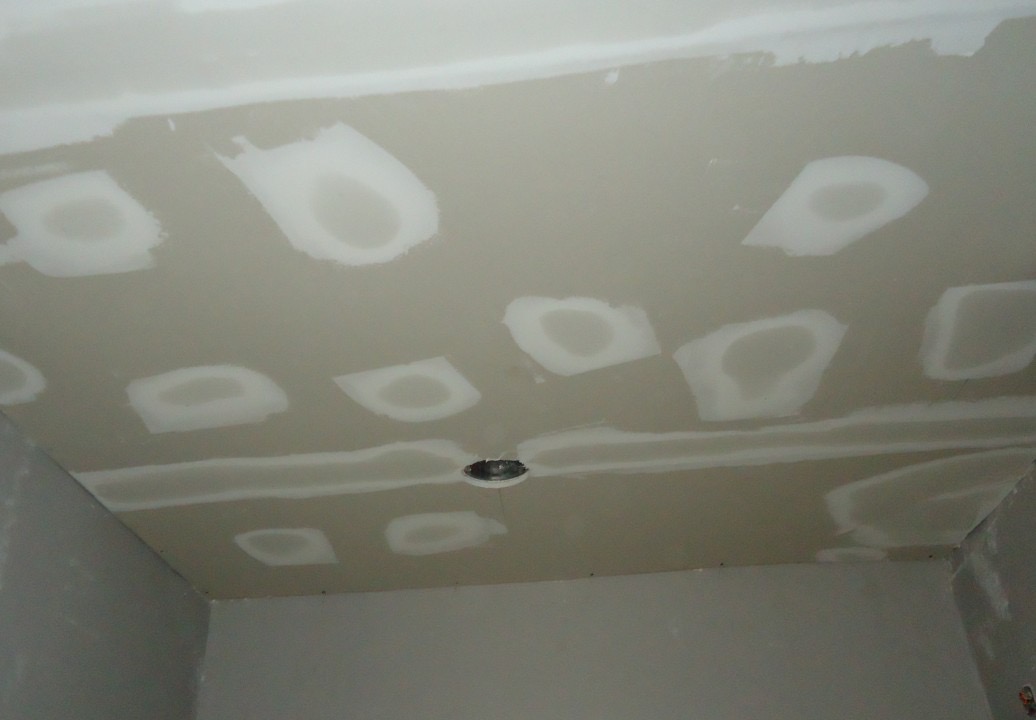
- Skim coat. Apply thin coats of joint compound over the whole ceiling, letting each coat dry, then sand lightly between coats until the surface is flat and smooth.
- Prime. Prime the ceiling with a primer suited to new joint compound, so the paint dries evenly without blotchy patches.
- Paint. Finish with a flat ceiling paint, which helps hide small imperfections.
Why painted popcorn is harder
Unpainted popcorn texture absorbs water and usually softens quickly. If the ceiling has been painted, the paint acts like a seal and water can't soak in, so the texture stays hard and has to be scraped much more forcefully. That takes longer, makes more mess and is more likely to damage the drywall paper underneath, which then needs more repair before skim coating.
You can test a small, hidden spot first: mist it, wait a few minutes and try the scraper. If the texture won't soften, covering the ceiling may be the better choice. Remember that the asbestos test still comes first, painted or not.
Alternatives to scraping
- Cover with new drywall: thin drywall sheets are screwed through the old ceiling into the joists, then taped, mudded and painted. You get a brand-new flat ceiling with very little dust, and the old texture stays sealed behind it. If the texture contains asbestos, check with an abatement professional first, since screwing through it still disturbs it in small spots.
- Leave it and maintain it: a ceiling in good condition that isn't being renovated can often be left alone. Avoid damaging it, and test before any future work that would disturb it.
- Professional abatement: if the texture contains asbestos and you want it gone, a qualified abatement contractor removes it under controlled conditions, after which the ceiling can be repaired and finished.
DIY or hire a pro?
Scraping a small, tested, unpainted ceiling is a job some homeowners take on themselves. The hard part is the finishing: getting a large ceiling flat and smooth with skim coats takes skill, good lighting and patience, and flaws show up clearly once the ceiling is painted. Many people choose to hire out at least the skim coat and paint. For a whole house, painted texture or any ceiling that tested positive for asbestos, a professional crew is the safer and faster option.
Frequently asked questions
How do I know if my popcorn ceiling has asbestos?
You can't tell by looking. Have a sample of the texture tested by an accredited laboratory, especially if the ceiling was installed before the 1980s or you don't know its age. Don't scrape or sand it until you have the result.
Can you remove a painted popcorn ceiling?
Yes, but it is harder. Paint stops water from soaking into the texture, so it has to be scraped harder and the drywall often needs more repair. Covering the ceiling with thin new drywall is a common alternative.
Is it better to scrape a popcorn ceiling or cover it with drywall?
Scraping and skim coating keeps the original ceiling and works well on unpainted, asbestos-free texture. Covering with new drywall creates less mess and works when the texture is painted or hard to remove. The asbestos test result and the ceiling's condition usually decide which is better.
Planning a project like this?
Talk to our team for a free, no-pressure estimate anywhere in Toronto and the GTA.
See our Painting & Finishing service.
This guide is general information, not professional or legal advice. Building code and city rules change and vary by property, so confirm requirements with your municipality before starting work.