Kitchen Cabinets: Refacing vs Replacing (and When Painting Is Enough)
Kitchen cabinet refacing vs replacing: what each involves, when cabinet boxes are worth keeping, how countertops affect the choice and the disruption to expect.
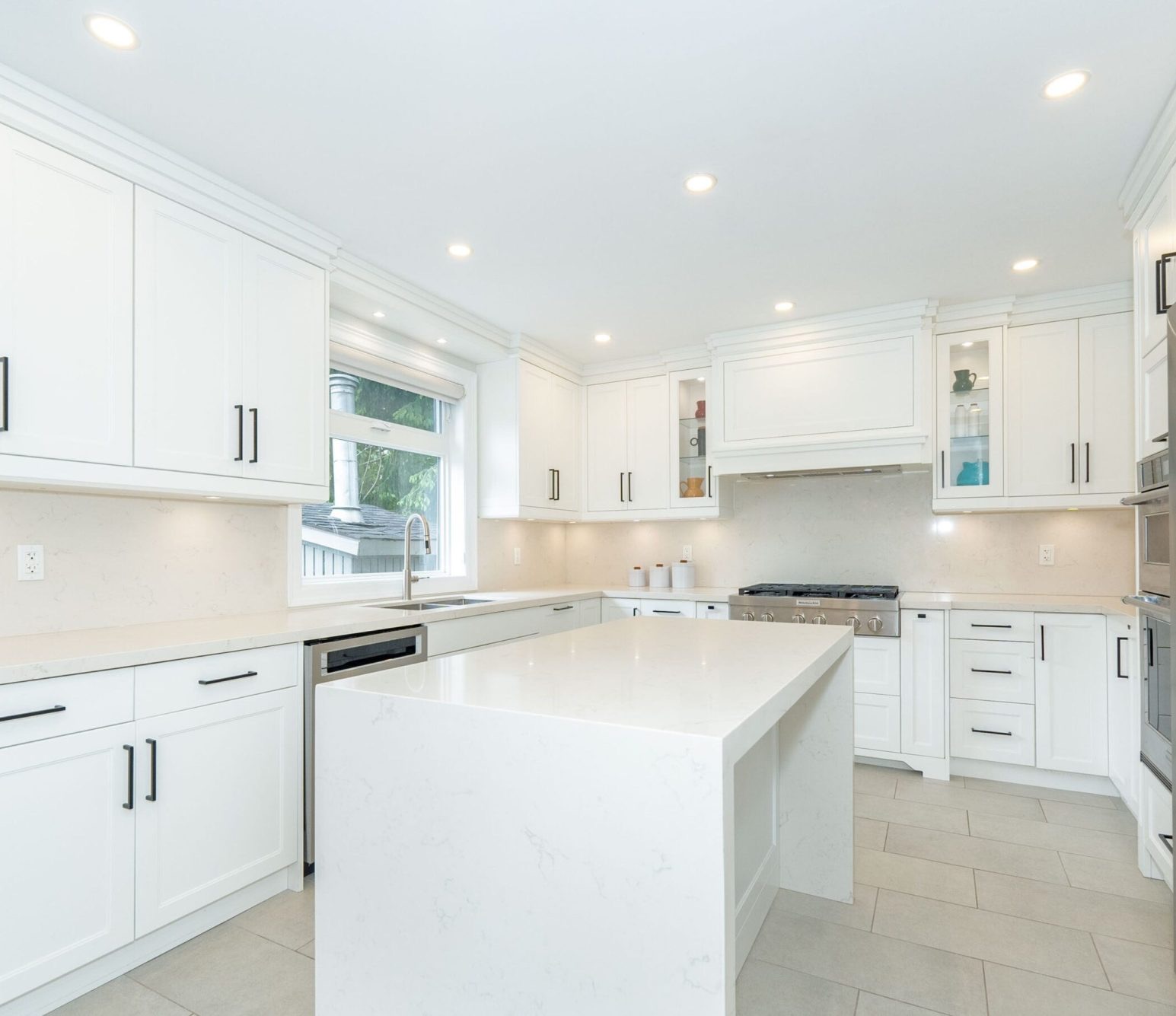
Cabinets are the biggest visual piece of a kitchen and one of the biggest parts of a kitchen budget. If yours look tired, you have three main choices: paint them, reface them, or tear them out and replace them. Each one makes sense in a different situation. Picking the wrong one can mean paying for new doors on boxes that are about to fail, or ripping out a solid kitchen that only needed a fresh face. This guide explains what each option really involves and how to tell which one fits your kitchen.
Painting, refacing and replacing: what each one means
- Painting: the existing doors, drawer fronts and cabinet frames are cleaned, sanded, primed and painted. The layout, boxes and door style stay the same.
- Refacing: the cabinet boxes (the frames and sides you see when the doors are open) stay in place. The doors and drawer fronts are replaced with new ones, and the visible outside surfaces of the boxes are covered with a matching veneer or laminate. New hinges and handles usually go on at the same time.
- Replacing: everything comes out. New cabinet boxes, doors and drawers are installed, often in a new layout, and the countertop is almost always replaced along with them.
Painting is the lightest touch. It works best on solid wood or paint-friendly doors in a style you still like. Glossy laminate and thermofoil doors (a vinyl skin pressed over a fibreboard core) are hard to paint well, because paint struggles to bond to them and the finish can peel. Refacing is the middle path: a new look without removing the boxes. Replacing is the full reset.
When your cabinet boxes are worth keeping
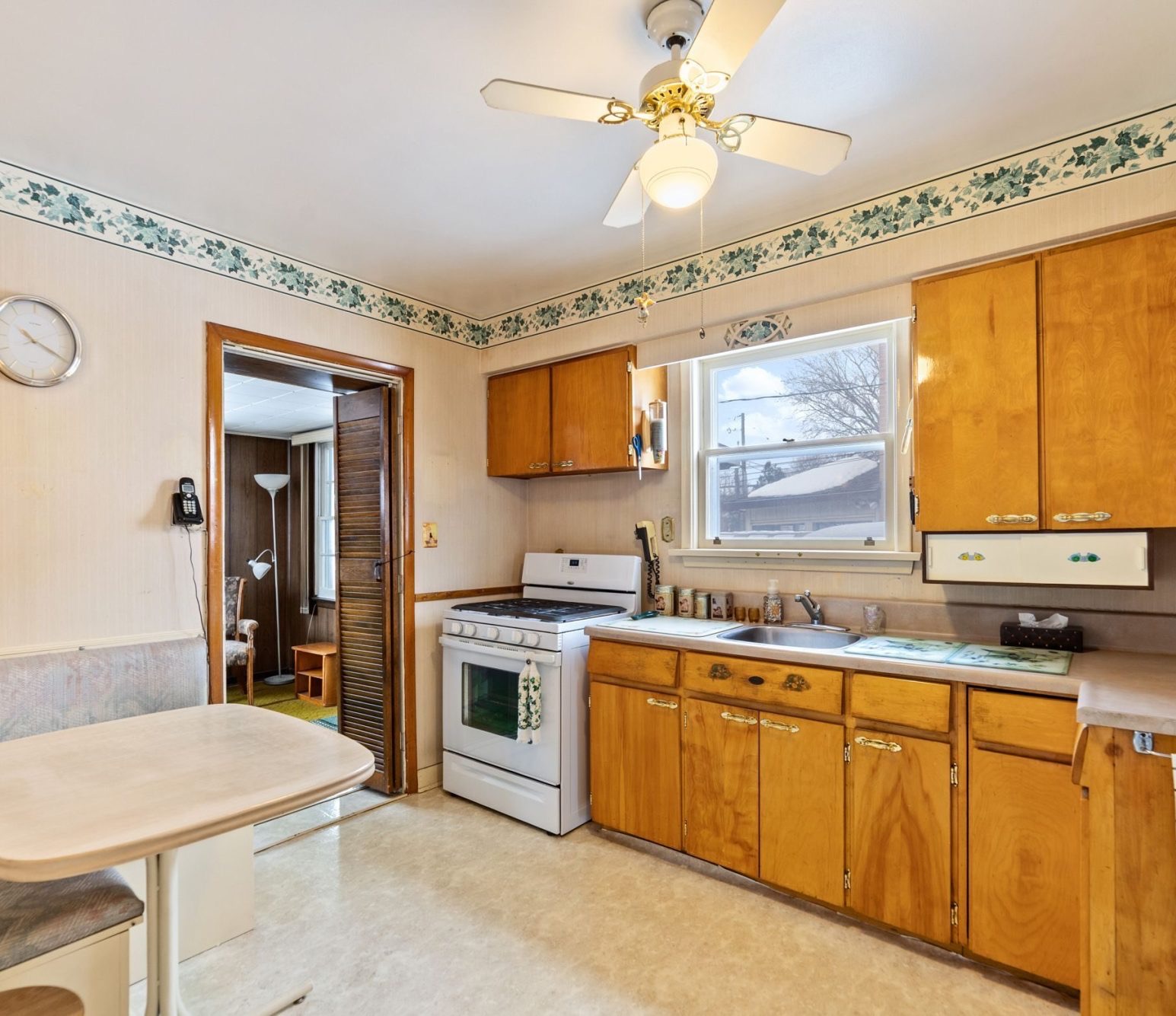
Refacing only makes sense if the boxes underneath are in good shape. New doors on weak boxes will not fix sagging shelves, swollen bottoms or doors that never line up. Open every cabinet, empty the sink base and check for these signs of a box worth keeping:
- Solid construction: the sides, back and bottom are firm, with no loose joints or panels coming apart.
- Square and level: doors close evenly and the boxes are not racked or leaning. A long level across the top of the lower cabinets helps you check.
- No water damage: the floor of the sink base is flat and dry, with no stains, soft spots or bubbling.
- Good material: plywood or solid wood boxes generally hold screws and stand up to moisture better than particleboard. Particleboard boxes can still be fine if they are dry and undamaged.
- A layout you are happy with: the sink, stove and fridge are where you want them, and the cabinet sizes work for how you cook.
When replacing is the better choice
Sometimes refacing is the wrong tool for the job. Replacement is usually the better path when:
- You want to change the layout: moving the sink, adding an island, opening a wall or making room for a larger fridge means new boxes in new places.
- The boxes are damaged: swollen particleboard, mould, broken frames or pest damage cannot be hidden under veneer.
- The cabinets are the wrong size: shallow uppers, awkward corner units or missing drawer banks will still be a problem after refacing.
- You want a different construction style: switching from face-frame cabinets (with a visible frame around each opening) to frameless, European-style cabinets is not a refacing job.
- You are already replacing the floor, countertop and backsplash: at that point, keeping old boxes often saves less than it seems.
How countertops affect the decision
Countertops are often the deciding factor. If you love your current countertop and it is in good condition, refacing or painting lets you keep it, as long as the work is done carefully around it. If you plan to replace the countertop, think about the order of work:
- Decide on the boxes first. A new stone or quartz countertop is heavy and is cut to fit the cabinets below it. It should go on boxes that are solid, level and staying in place for years.
- Remove the old countertop. Taking off an old countertop can damage the top edges of the boxes and the backsplash, so plan for small repairs.
- Level and reinforce. The installer checks that the cabinet tops are level and adds support where needed, especially for overhangs or seating areas.
- Template and install. The fabricator measures the cabinets as they are now, makes the countertop, then installs it. Refacing work is usually finished before or after this step depending on the trim details, so coordinate the two trades.
Hardware, soft-close and small upgrades
Both refacing and replacing are a good moment to upgrade the parts you touch every day. Many work with existing boxes:
- Soft-close hinges: concealed hinges with a built-in damper stop doors from slamming. New doors are usually drilled for them during refacing.
- Soft-close drawer slides: full-extension slides let you reach the back of the drawer. Old drawer boxes may need to be rebuilt to fit modern slides.
- Handles and pulls: changing hardware is the simplest update of all. If the new pulls use different hole spacing, the old holes will show unless the doors are new or filled.
- Interior organizers: pull-out shelves, trash pull-outs and corner units can often be added to existing boxes if they are the right size.
Timeline and disruption: what to expect
How long you are without a working kitchen depends far more on the option you pick than on the size of the room.
- Painting: the kitchen stays usable, but doors are usually taken away or laid out to dry, and cupboards stand open for a stretch. Good prep and curing time matter more than speed.
- Refacing: most of the measuring and door making happens off site. The on-site work is mostly removing old doors, applying veneer and hanging the new doors, so the kitchen is usually only partly out of service for a short period. Counters, plumbing and appliances normally stay connected.
- Replacing: the kitchen is out of service from demolition until the countertop is installed and the sink and appliances are reconnected. Countertop templating cannot happen until the new base cabinets are in, which adds waiting time in the middle. Plan for a temporary kitchen elsewhere in the house.
Full replacement can also lead to other work: electrical changes for new appliance locations, plumbing moves, flooring repairs where old cabinets sat and new drywall. Electrical work in Ontario needs an Electrical Safety Authority (ESA) permit, and moving plumbing or removing walls may need a building permit, so check with the City of Toronto for your specific project.
A simple way to decide
If the boxes are solid and you like the layout, start by asking whether paint alone would give you the look you want. If not, refacing gives you new doors and a new finish while keeping the kitchen working. If the boxes are damaged, the layout does not work, or you are already replacing most of the kitchen, full replacement is usually the better long-term choice. A contractor who looks inside the cabinets, not just at the doors, can tell you quickly which group your kitchen falls into.
Frequently asked questions
Is it worth refacing kitchen cabinets?
It can be, if the cabinet boxes are solid, square and free of water damage and you are happy with the layout. Refacing gives you new doors, drawer fronts and a fresh finish without removing the boxes. If the boxes are damaged or you want a new layout, replacing is usually the better choice.
Can you reface cabinets without replacing the countertop?
Yes. Refacing replaces the doors, drawer fronts and outside veneer, so a countertop in good condition can usually stay. The work needs care around the countertop edges, and it is worth checking that the existing countertop suits the new look.
How do I know if my kitchen cabinets need to be replaced?
Look for swollen or crumbling particleboard, especially under the sink, loose or racked boxes, doors that will not line up, signs of mould or pests, and a layout that does not work for you. Any of these usually means replacing rather than refacing.
Planning a project like this?
Talk to our team for a free, no-pressure estimate anywhere in Toronto and the GTA.
See our Kitchen Renovation service.
This guide is general information, not professional or legal advice. Building code and city rules change and vary by property, so confirm requirements with your municipality before starting work.